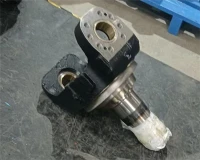

When it comes to operating an excavator, the precise adjustment of the boom cast steel seat is crucial for ensuring optimal performance, efficiency, and safety. As a trusted supplier of Excavator Boom Cast Steel Seats, I've witnessed firsthand the significant impact that accurate positioning can have on an excavator's functionality. In this blog post, I'll share some comprehensive insights and practical steps on how to adjust the position of an excavator boom cast steel seat effectively.
Understanding the Importance of the Excavator Boom Cast Steel Seat
The boom cast steel seat serves as a critical structural component in an excavator. It provides support and stability to the boom, which is the long arm of the excavator responsible for lifting and moving heavy loads. A well - adjusted seat ensures that the boom can operate smoothly, with minimal stress on the components, reducing the risk of premature wear and tear, and enhancing the overall lifespan of the machine. Moreover, correct positioning allows for more precise digging and loading operations, leading to increased productivity on the job site.
Pre - adjustment Checks
Before starting the adjustment process, it's essential to conduct a series of pre - adjustment checks. First, examine the excavator thoroughly for any visible signs of damage or wear on the boom, the cast steel seat, and other related components. Check the hydraulic hoses for leaks, as hydraulic pressure is often used to control the movement of the boom. Ensure that all the bolts and fasteners connecting the boom to the seat are tight and in good condition. Loose fasteners can cause instability and inaccurate positioning.
If you notice any issues during the pre - adjustment check, it's advisable to address them immediately. For example, leaking hydraulic hoses should be replaced, and damaged components should be repaired or replaced. This will not only make the adjustment process more effective but also prevent potential safety hazards.


Tools Required for Adjustment
To adjust the position of the excavator boom cast steel seat, you'll need a set of appropriate tools. These typically include a hydraulic jack, which can be used to lift the boom slightly to allow for adjustment. Wrenches of various sizes are necessary for loosening and tightening bolts. A measuring tape or a laser level can be used to measure the position accurately and ensure that the adjustment is within the specified tolerances. Additionally, a torque wrench is essential for tightening the bolts to the correct torque value, as over - tightening or under - tightening can lead to problems.
Step - by - Step Adjustment Process
Step 1: Prepare the Excavator
Park the excavator on a flat, stable surface and engage the parking brake. Lower the boom to the ground gently to relieve the pressure on the cast steel seat. Turn off the engine and wait for all the hydraulic pressure to dissipate. This will ensure a safe working environment during the adjustment process.
Step 2: Loosen the Fasteners
Using the appropriate wrenches, carefully loosen the bolts that connect the boom to the cast steel seat. Do not remove the bolts completely; just loosen them enough to allow for movement. It's important to note the position of each bolt and the order in which they are loosened, as this will be helpful when reassembling the components.
Step 3: Adjust the Position
Use the hydraulic jack to lift the boom slightly. This will create some clearance between the boom and the seat, making it easier to adjust the position. Refer to the excavator's technical manual for the specific adjustment requirements, including the allowable range of movement in different directions. You can also use the measuring tape or laser level to measure the current position of the boom and make precise adjustments accordingly. For example, if the boom is tilted to one side, you can adjust the position by moving the seat slightly in the opposite direction.
Step 4: Check and Re - measure
After making the initial adjustment, carefully lower the boom back onto the seat. Check the position again using the measuring tools. Make any necessary fine - tuning adjustments until the boom is in the correct position within the specified tolerances. This step is crucial for ensuring that the excavator will operate smoothly and efficiently.
Step 5: Tighten the Fasteners
Once the position is correct, use the torque wrench to tighten the bolts to the recommended torque value. Tightening the bolts evenly is important to prevent uneven stress on the components. Refer to the excavator's manual for the specific torque values for each bolt.
Additional Components Considerations
During the adjustment process, it's also important to consider the interaction between the boom cast steel seat and other related components. For example, the Lift Oil Cylinder Support plays a vital role in supporting the boom's movement. Ensure that it is in good condition and properly aligned with the adjusted seat.
The Bulldozer Guide Wheel Side Guard Plate can affect the overall stability of the excavator. If it is damaged or misaligned, it may need to be adjusted or replaced to ensure safe operation.
The Articulation Body allows the excavator to make turns and maneuvers. A well - adjusted articulation body is essential for the boom to function properly, especially when working in different angles and positions.
The Hydraulic Valve controls the flow of hydraulic fluid, which is responsible for powering the boom's movement. Any issues with the hydraulic valve can lead to problems with the boom's adjustment and operation.
The Cylinder Support provides additional support to the hydraulic cylinders that move the boom. It should be inspected and adjusted as needed to ensure the smooth movement of the boom.
Maintenance after Adjustment
After successfully adjusting the position of the excavator boom cast steel seat, regular maintenance is essential. Check the seat and related components regularly for signs of wear, damage, or misalignment. Tighten the bolts as needed to prevent them from loosening over time. Lubricate the moving parts according to the manufacturer's recommendations to reduce friction and extend the lifespan of the components.
Conclusion
Adjusting the position of an excavator boom cast steel seat is a detailed and important process that requires careful attention to detail. By following the steps outlined in this blog post and considering the interaction with other components, you can ensure that your excavator operates at its best. As a supplier of high - quality Excavator Boom Cast Steel Seats, I'm committed to providing the best products and support to our customers. If you have any questions about our products or need assistance with the adjustment process, or if you're interested in purchasing our Excavator Boom Cast Steel Seats, please feel free to reach out to us for a procurement discussion.
References
- Excavator operating and maintenance manuals provided by the manufacturers.
- Industry standards and guidelines for construction machinery maintenance and adjustment.