

In the realm of modern agriculture, agricultural machinery plays a pivotal role in enhancing productivity and efficiency. As an established supplier of agricultural machinery parts, I've witnessed firsthand the significance of these components in keeping farming operations running smoothly. One question that frequently arises among farmers and machinery operators is whether agricultural machinery parts need to be adjusted after long - term use. In this blog post, we'll delve into the reasons behind the necessity of adjustments, explore the impact of long - term use on different parts, and discuss how proper adjustments can extend the lifespan of your machinery.
The Impact of Long - Term Use on Agricultural Machinery Parts
Long - term use of agricultural machinery subjects its parts to a variety of stresses and conditions. Continuous operation, exposure to harsh environments, and heavy loads can all take a toll on the components. Wear and tear is an inevitable consequence of such use. For instance, moving parts like bearings and gears experience friction, which gradually erodes their surfaces. This can lead to increased clearance between the parts, reduced precision in movement, and ultimately, a decline in the overall performance of the machinery.
Let's take a closer look at some specific parts and how they are affected by long - term use.
Bearing Housing
The Bearing Housing provides support and protection for bearings in the machinery. Over time, the housing may experience deformation due to the constant forces exerted on it. This can cause misalignment of the bearings, leading to uneven wear and premature failure. Adjustments to the bearing housing may be necessary to ensure proper alignment and reduce the risk of bearing damage.
Agricultural Machinery Lower Fork
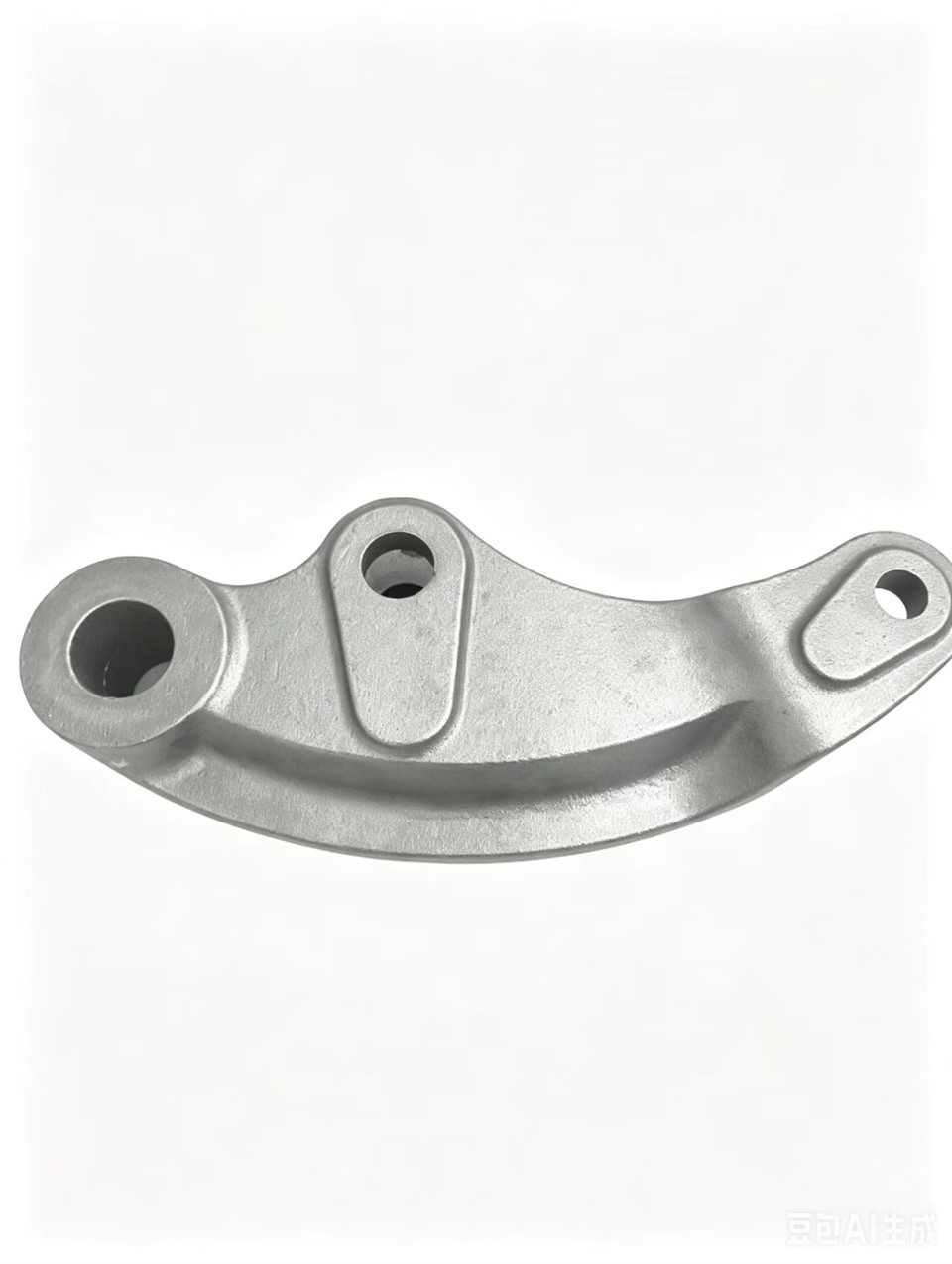
The Agricultural Machinery Lower Fork is an important part of many agricultural implements. It is used to connect and support other components. With long - term use, the lower fork can become bent or worn, affecting its ability to function properly. Adjusting the lower fork can help maintain its correct shape and alignment, ensuring that the connected parts work together effectively.
Agricultural Machinery Transfer Case Housing
The Agricultural Machinery Transfer Case Housing encloses the transfer case, which distributes power to different parts of the machinery. The housing may develop cracks or leaks over time due to vibration and mechanical stress. Adjustments may involve tightening bolts, replacing gaskets, or realigning components within the housing to prevent power loss and ensure smooth power transfer.
Agricultural Machinery Lifting Arm
The Agricultural Machinery Lifting Arm is responsible for raising and lowering heavy loads. Frequent use can cause the lifting arm to lose its original strength and flexibility. It may also develop play in its joints, making the lifting operation less stable. Adjusting the lifting arm can involve checking and tightening the joints, as well as making sure the hydraulic or mechanical systems that operate it are functioning correctly.
Agricultural Machinery Flange
The Agricultural Machinery Flange is used to connect pipes, tubes, and other components in the machinery. Vibration and temperature changes over a long period can cause the flange to loosen or deform. Adjusting the flange is crucial to prevent leaks and ensure a secure connection between the parts.

Reasons for Adjusting Agricultural Machinery Parts After Long - Term Use
There are several compelling reasons why adjusting agricultural machinery parts after long - term use is essential.
Safety
Safety should be the top priority in any agricultural operation. Worn or misaligned parts can pose a significant safety risk. For example, a loose bearing housing can cause the bearing to fail suddenly, leading to the breakdown of the machinery. In some cases, this can result in accidents that endanger the operators. By regularly adjusting parts, we can reduce the likelihood of such failures and keep everyone on the farm safe.
Performance
Properly adjusted parts contribute to the optimal performance of the machinery. When parts are in good alignment and condition, the machinery can operate more efficiently. This means faster work, less fuel consumption, and better overall productivity. For example, a well - adjusted lifting arm can lift heavier loads more smoothly, while a correctly aligned transfer case can distribute power more evenly.
Cost - Effectiveness
Adjusting parts instead of replacing them prematurely can save a significant amount of money in the long run. Maintenance and adjustment are usually less expensive than buying new parts. By extending the lifespan of the existing components through regular adjustments, farmers can reduce their overall machinery costs. Additionally, well - maintained machinery is less likely to break down, which means less downtime and lost productivity.
How to Adjust Agricultural Machinery Parts
Adjusting agricultural machinery parts requires a certain level of knowledge and skill. Here are some general guidelines:
Regular Inspections
The first step is to conduct regular inspections of the machinery. This can help identify any signs of wear, damage, or misalignment early on. Inspect the parts visually, checking for cracks, deformation, or excessive wear. You can also use measuring tools to check clearances and alignments.
Consult the Manual
Each type of agricultural machinery has its own specific requirements for adjustment. Consult the manufacturer's manual for detailed instructions on how to adjust different parts. The manual will provide information on the correct procedures, torque settings, and other important details.
Use the Right Tools
Using the correct tools is essential for accurate adjustments. Some common tools used for adjusting agricultural machinery parts include wrenches, sockets, screwdrivers, and alignment gauges. Make sure the tools are in good condition and appropriate for the job.
Seek Professional Help
If you are unsure about how to adjust a particular part or if the problem seems complex, it's advisable to seek professional help. A qualified mechanic or technician can diagnose the issue accurately and perform the necessary adjustments.
The Role of a Reliable Parts Supplier
As an agricultural machinery parts supplier, we play a crucial role in helping farmers and machinery operators maintain their equipment. We not only provide high - quality parts but also offer technical support and advice on part adjustment. Our team of experts can answer your questions and guide you through the adjustment process.
We understand the importance of having the right parts at the right time. That's why we maintain a large inventory of agricultural machinery parts, including Bearing Housing, Agricultural Machinery Lower Fork, Agricultural Machinery Transfer Case Housing, Agricultural Machinery Lifting Arm, and Agricultural Machinery Flange. Whether you need a replacement part or are looking for guidance on adjustment, we are here to assist you.
Conclusion
In conclusion, agricultural machinery parts definitely need to be adjusted after long - term use. The continuous wear and tear caused by extended operation can lead to various problems that affect the safety, performance, and cost - effectiveness of the machinery. By performing regular inspections and adjustments, farmers and machinery operators can ensure that their equipment runs smoothly and efficiently for a longer period.
As a trusted supplier of agricultural machinery parts, we are committed to providing you with the best products and services. If you have any questions about part adjustment or need to purchase high - quality agricultural machinery parts, please feel free to reach out to us. We are ready to help you keep your agricultural machinery in top condition.
References
- Agricultural Machinery Maintenance Handbook, various industry publications
- Manufacturer's manuals for multiple agricultural machinery brands.


