
Hey there, fellow machinery pros and gearbox geeks! If you’ve ever spent hours troubleshooting a stubborn gearbox that just won’t run right, chances are you’ve crossed paths with bearing housing issues. As a bearing housing supplier, I’ve seen my fair share of these problems firsthand—whether it’s on a farm tractor, a construction excavator, or even a conveyor system in a factory. Bearing housings might seem like just a metal shell to hold bearings in place, but they’re way more critical than that. They keep lubricants sealed, align components, and handle all the vibrations and torque your gearbox throws at it. Mess up the housing, and your whole gearbox is toast. Let’s break down the most common issues I run into, and maybe even a few ways to avoid ’em.
First up, let’s talk about misalignment. Wait, not just any misalignment—bearing housing misalignment. I can’t tell you how many times a customer’s gearbox is making weird whining noises, and the first thing I check is the housing. Misalignment happens when the housing isn’t seated properly on the gearbox shaft or when the mounting holes are off. For example, if you’re working on agricultural machinery, like a transfer case, a slightly off seat on the Agricultural Machinery Transfer Case Housing can throw the whole system out of whack. You might think “it’s just a little off, no big deal” but trust me, over time that tiny misalignment causes excessive wear on the bearings, which leads to heat buildup and ultimately failure. I’ve seen farmers lose a full harvest because their tractor’s gearbox seized up, all from a misaligned housing they didn’t catch.
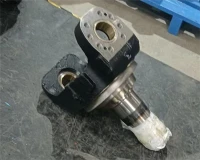
Next, lubrication contamination. This is a big one that’s easy to overlook, especially in dusty environments like farms or mines. The bearing housing’s seal is there to keep dirt, water, and debris out, but if the seal wears out or the housing has a tiny crack, contamination gets in. Dirty lubricant acts like sandpaper on the bearings, grinding down the surfaces until they’re pitted. I remember a customer who brought in a steering knuckle from a tractor—he said his steering felt loose and was making clunking noises. When we took it apart, the Agricultural Machinery Steering Knuckle housing had a small crack from a rock impact, so dust got in and contaminated the grease. The bearings were toast, and he ended up having to replace the whole knuckle assembly way sooner than he should have. The fix here? Regular seal checks and making sure the housing is free of cracks. Also, if you’re dealing with agricultural parts, always inspect housing seals after a hard day in the field—those rocks and dirt don’t care about your schedule.
Then there’s overheating. Bearing housings are supposed to dissipate heat from the bearings, but if the housing is too tight around the bearings, or if there’s not enough lubricant, heat builds up fast. I once had a guy come to me with an end cover that was so hot he could barely touch it. His Agricultural Machinery End Cover had been installed with bearings that were slightly too big, so the housing squeezed them, causing friction. The result? The lubricant broke down, the bearings seared, and the gearbox locked up. Overheating doesn’t just damage bearings—it can warp the housing itself, making misalignment even worse. If you notice your gearbox running hotter than normal, don’t just top off the oil—take a look at the housing fit. A loose fit might seem like a problem, but a too-tight fit is way worse.
Corrosion is another issue, especially if you’re working in humid or wet conditions, like marine or agricultural applications. Water gets into the bearing housing, mixes with the lubricant, and causes rust. I’ve seen end housings from farm equipment that were rusted right through because they were left out in the rain. The rust eats away at the housing, weakening it until it can’t hold the bearings properly. For parts that get exposed to moisture, it’s important to use housing materials that resist corrosion, like cast iron with a protective coating or even stainless steel for extreme cases. If you’re replacing a housing, make sure it’s designed for the environment your equipment is in. A standard housing might work in a factory, but on a tractor that’s out in the mud all day, you need something built to handle that.
Wear and tear from vibration. All machinery vibrates, but constant vibration can cause the bearing housing’s mounting points to loosen, or even the housing itself to wear down over time. For example, on a connecting rod system in a tractor, the Agricultural Machinery Connecting Rod housing is subject to a lot of up-and-down movement and vibration. If the housing isn’t secured properly, or if the mounting bolts are too loose, the housing shifts, causing more vibration and wear. I had a customer who kept breaking bolts on his connecting rod housing—turns out the original housing was too thin, so the vibration made the mounting holes wear oval, and the bolts couldn’t stay tight. The fix here is to use a housing with thicker walls for high-vibration applications, and to check mounting bolts regularly. Tightening them once a month might seem like a hassle, but it saves you from a total breakdown.
Another issue I see is improper installation. A lot of times, problems with the bearing housing aren’t the housing’s fault at all—it’s how it’s put in. For example, if you’re pressing a bearing into the housing, using too much force can warp the housing. Or if you don’t align the housing correctly before mounting it to the gearbox, you’re setting yourself up for misalignment issues later. I always tell customers to follow the manufacturer’s installation guidelines, even if it takes a little longer. Rushing the installation might save time now, but it’ll cost you more time and money later when the gearbox fails. I’ve had customers come back to me saying “your housing is bad” when really, they just pressed the bearing in wrong. It’s always a good idea to have a pro check the installation if you’re not sure what you’re doing.
What about seal failure? I touched on this earlier, but it’s worth repeating because seal issues are super common with bearing housings. The seal is the first line of defense against contamination, but seals can wear out from friction, heat, or just old age. If the seal fails, lubricant leaks out, and contamination gets in. I’ve seen end housings where the seal was so worn that grease was leaking out all over the gearbox, and the bearings were running dry within a week. Replacing the seal is a quick fix, but if the housing has a groove that’s worn where the seal sits, you might need to replace the housing too. That’s why it’s important to inspect the seal and the housing’s seal groove every time you service the gearbox.
Wait, let’s not forget about material selection. A bearing housing made from the wrong material for the job will have issues. For example, if you use a lightweight aluminum housing for a heavy-duty construction gearbox, it might not be strong enough to handle the torque, leading to deformation. Or if you use a plastic housing in a dusty environment, it might crack easily. That’s why as a supplier, I always ask customers about their application before recommending a housing. If you’re working on agricultural machinery, like any of those parts I mentioned—the transfer case, steering knuckle, end cover, end housing, or connecting rod—you need a housing that can handle the specific stresses of farming: dirt, mud, vibration, and variable loads. That’s why our agricultural line is built with materials that resist corrosion and wear, perfect for those tough conditions.
Now, I know a lot of you might be thinking, “How do I prevent these issues?” Let me give you a few quick tips. First, do regular inspections. Check for misalignment, cracks, wear, and seal condition every time you service the gearbox. Second, use the right parts. Don’t cut corners on bearing housings—get ones designed for your specific equipment, especially if it’s working in a harsh environment. Third, follow proper installation procedures. Take your time, align everything correctly, and use the right tools for pressing bearings or mounting the housing. Fourth, keep lubrication clean and topped up. Dirty lubricant is the enemy of bearings and housings, so make sure you’re using the right type of lubricant and changing it on schedule.


If you’re dealing with any of these bearing housing issues, whether it’s misalignment, contamination, overheating, or something else, don’t hesitate to reach out. I’ve worked with all kinds of machinery, from agricultural to industrial, and I can help you find the right housing or troubleshoot your problem. Whether you need a replacement for a Agricultural Machinery Transfer Case Housing or a heavy-duty housing for a construction gearbox, we’ve got you covered. Just get in touch, and we can work together to solve your bearing housing issues before they cause a total breakdown.
References:
- Machinery's Handbook, 31st Edition: Standards for Bearing Housing Design and Failure Analysis
- Agricultural Equipment Maintenance Guide: Society of Automotive Engineers (SAE) International, 2022
- Tribology Fundamentals: Elsevier, 2019 - Lubrication Contamination and Component Wear
- Bearing Housing Installation Best Practices: Timken Technical Services, 2021
- Corrosion Resistance in Industrial Components: NACE International, 2020