

High Material Requirements: Usually made of high-strength carbon steel or alloy steel, with some critical parts potentially using stainless steel or surface galvanization to enhance corrosion resistance and adapt to moist and dusty field environments.
Structural Design Focused on Connection Reliability: Connecting plates often use flange-type, lap-type, or pin-type structures, achieving secure connections between track segments through high-strength bolts or welding, preventing loosening or displacement during operation.
Certain Elasticity and Shock Absorption Performance: To adapt to uneven field terrain and mechanical vibrations, some connecting plates integrate rubber pads or elastic elements to buffer impact loads and extend track lifespan.
Surface Treatment for Rust and Wear Resistance: Common processes include hot-dip galvanization, plastic spraying, or epoxy coating, enhancing durability for long-term outdoor use.
Modular and Universal Design: Facilitates quick assembly, disassembly, and replacement, compatible with different models of agricultural machinery and track specifications (such as I-type, H-type, or custom cross-section tracks).
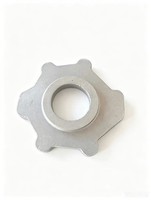
Basic Features of the Connecting Plate
Jan 14, 2026




Send Inquiry