

What are the industry standards for automotive ductile iron bracket?
Hey there! I'm a supplier of automotive ductile iron brackets, and today I wanna chat about the industry standards for these crucial components. Automotive ductile iron brackets play a super important role in the overall structure and performance of vehicles. They're responsible for holding various parts in place, ensuring smooth operation and safety on the road.
First off, let's talk about the material. The ductile iron used in these brackets has to meet certain standards. Ductile iron, also known as nodular cast iron, is a type of cast iron with graphite nodules. These nodules give the iron its unique properties, like high ductility and toughness. The chemical composition of the ductile iron is carefully regulated. It typically contains iron, carbon, silicon, manganese, and small amounts of other elements like phosphorus and sulfur. The carbon content usually ranges from 3.2% to 3.8%, while the silicon content is around 1.8% to 2.8%. These elements work together to give the ductile iron its strength and durability.
In terms of mechanical properties, the automotive ductile iron brackets need to have specific levels of tensile strength, yield strength, and elongation. Tensile strength is the maximum amount of stress a material can withstand before it breaks. For automotive ductile iron brackets, the tensile strength should be at least 400 MPa (megapascals). Yield strength, on the other hand, is the stress at which a material begins to deform plastically. It's usually around 250 MPa for these brackets. Elongation is a measure of how much a material can stretch before it breaks. A good automotive ductile iron bracket should have an elongation of at least 10%.
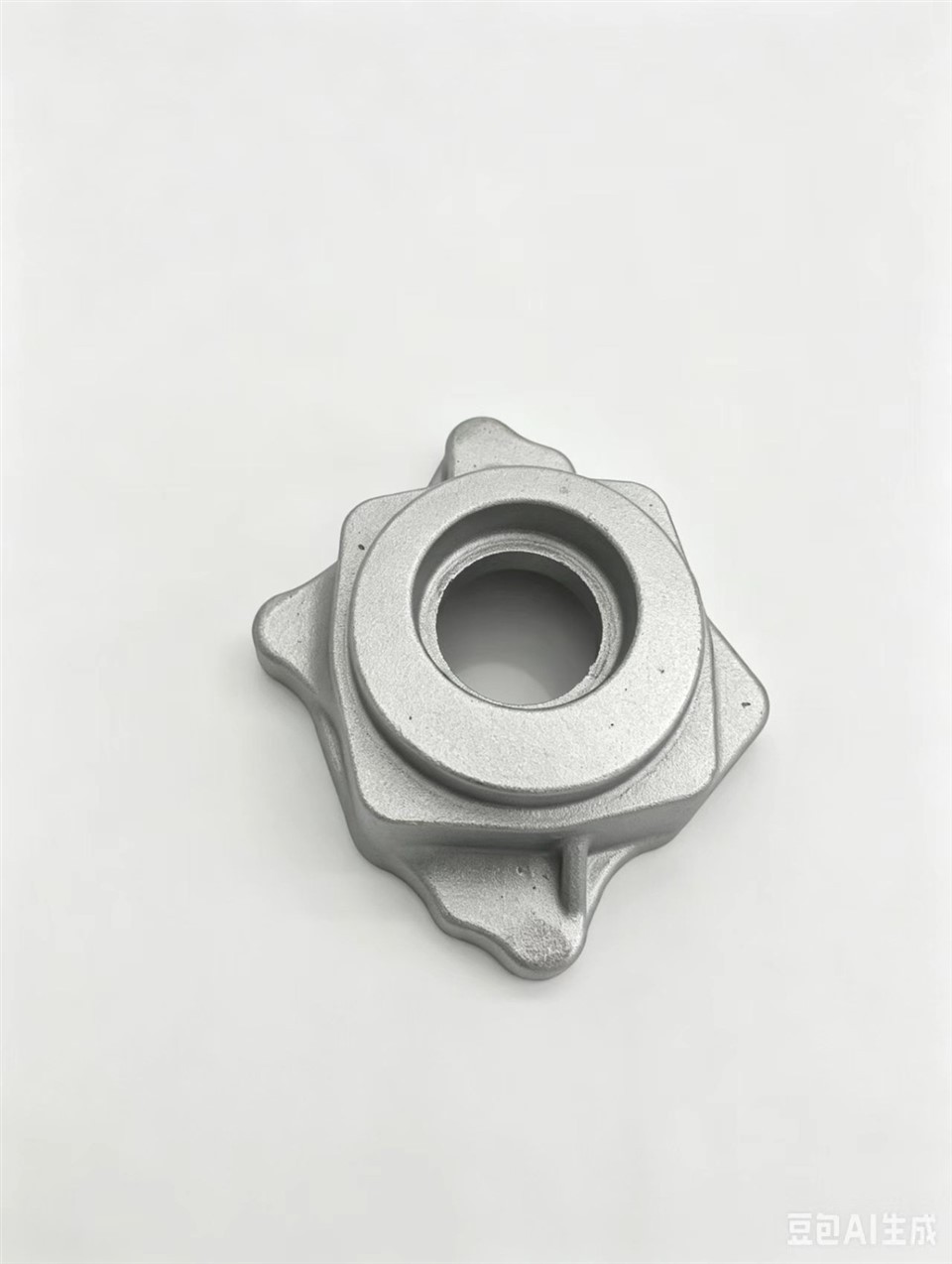
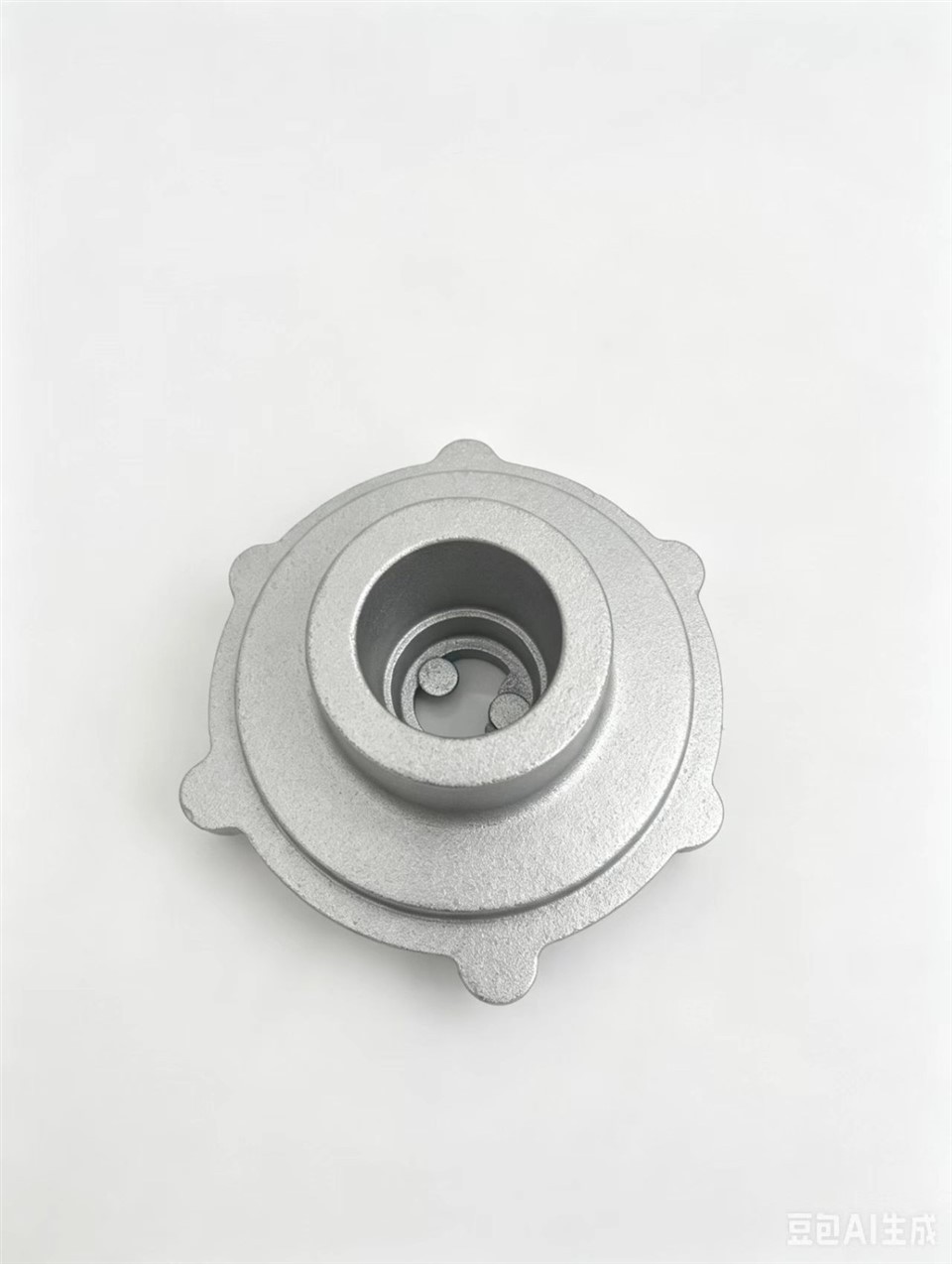
Another important aspect of the industry standards is dimensional accuracy. The brackets need to be manufactured to very precise dimensions to ensure a proper fit in the vehicle. Even a small deviation in size can lead to problems like misalignment, which can cause premature wear and tear on other components or even affect the safety of the vehicle. Tolerances for dimensions are typically specified in millimeters or fractions of an inch, depending on the specific application.
Surface finish is also a key factor. The surface of the automotive ductile iron bracket should be smooth and free of defects like cracks, porosity, or rough spots. A good surface finish not only looks better but also helps to prevent corrosion and improves the overall performance of the bracket. There are different levels of surface finish requirements depending on the location and function of the bracket in the vehicle.
Now, let's touch on some related products that might be of interest to you. If you're also in the market for agricultural machinery parts, we've got some great options. Check out our Agricultural Machinery Connecting Rod, Agricultural Machinery Steering Knuckle, Bearing Housing, Agricultural Machinery End Housing, and Agricultural Machinery Flange. These parts are also made to high - quality standards and are essential for the proper functioning of agricultural equipment.
Quality control is a huge part of meeting the industry standards for automotive ductile iron brackets. We use a variety of inspection methods, including non - destructive testing (NDT) techniques like ultrasonic testing and magnetic particle inspection. These methods allow us to detect any internal or surface defects without damaging the bracket. We also perform mechanical testing on samples to ensure that the brackets meet the required tensile strength, yield strength, and elongation values.
In addition to the technical standards, there are also environmental and safety regulations that the automotive ductile iron brackets need to comply with. For example, they should not contain any harmful substances like lead, mercury, or cadmium above the permitted levels. This is not only important for the health and safety of the vehicle users but also for environmental protection.
When it comes to production processes, there are several steps involved in making automotive ductile iron brackets. First, the raw materials are melted in a furnace. Then, the molten metal is poured into molds to form the shape of the bracket. After that, the brackets go through a heat - treatment process to improve their mechanical properties. Finally, they are machined to achieve the required dimensional accuracy and surface finish.
As a supplier, I understand the importance of providing high - quality automotive ductile iron brackets that meet all the industry standards. We're constantly working on improving our production processes and quality control measures to ensure that our customers get the best products possible.
If you're in the automotive or agricultural machinery industry and are looking for reliable ductile iron brackets or any of the related parts I mentioned earlier, I'd love to have a chat with you. Whether you need a small batch for prototyping or a large quantity for mass production, we can work together to meet your needs. Just reach out, and let's start a conversation about how we can help you with your procurement requirements.
References:
- Automotive Engineering Handbook
- Standards and regulations from relevant automotive industry associations


