

Can a control arm cause a knocking noise?
As a supplier of control arms, I've had numerous discussions with customers about various vehicle issues, and one question that often comes up is whether a control arm can cause a knocking noise. In this blog post, I'll delve into this topic and provide a comprehensive answer based on my industry knowledge and experience.
Understanding the Control Arm
Before we explore the relationship between control arms and knocking noises, let's first understand what a control arm is and its function in a vehicle. A Control Arm is a crucial component of a vehicle's suspension system. It connects the wheel hub or steering knuckle to the vehicle's frame or sub - frame. The control arm allows the wheels to move up and down while maintaining the proper alignment and handling of the vehicle.
There are typically two types of control arms in a vehicle: the upper control arm and the lower control arm. The upper control arm is usually shorter and is located above the lower control arm. Both play a vital role in ensuring a smooth and stable ride.
How a Faulty Control Arm Can Cause a Knocking Noise
A control arm can indeed cause a knocking noise, and there are several reasons for this.
Worn Bushings
One of the most common causes is worn control arm bushings. Bushings are rubber or polyurethane components that are designed to absorb vibrations and provide a cushion between the control arm and the frame or steering knuckle. Over time, these bushings can wear out due to constant movement, exposure to road debris, and extreme temperatures.
When the bushings are worn, they lose their ability to dampen vibrations. As the control arm moves, the metal - to - metal contact between the control arm and the mounting points can create a knocking or clunking noise. This noise is often more pronounced when going over bumps or making turns.
Broken or Worn Ball Joints
Another possible cause is a broken or worn ball joint. The ball joint is a pivot point that connects the control arm to the steering knuckle. It allows for the smooth movement of the wheels and suspension. If the ball joint becomes worn or damaged, it can cause excessive play in the control arm.
This play can result in a knocking noise as the wheel moves up and down. When the ball joint is on its way out, you may also notice a change in the vehicle's handling, such as uneven tire wear or a pulling sensation while driving.
Bent Control Arm
In some cases, a control arm can become bent due to hitting a pothole, curb, or being involved in a minor collision. A bent control arm can disrupt the proper alignment of the suspension system. As the vehicle moves, the misaligned control arm can cause parts to rub or collide with each other, creating a knocking noise.
Other Components That Can Produce a Similar Noise
While a control arm is a likely culprit for a knocking noise, it's important to note that other components in the suspension system could also be the source.
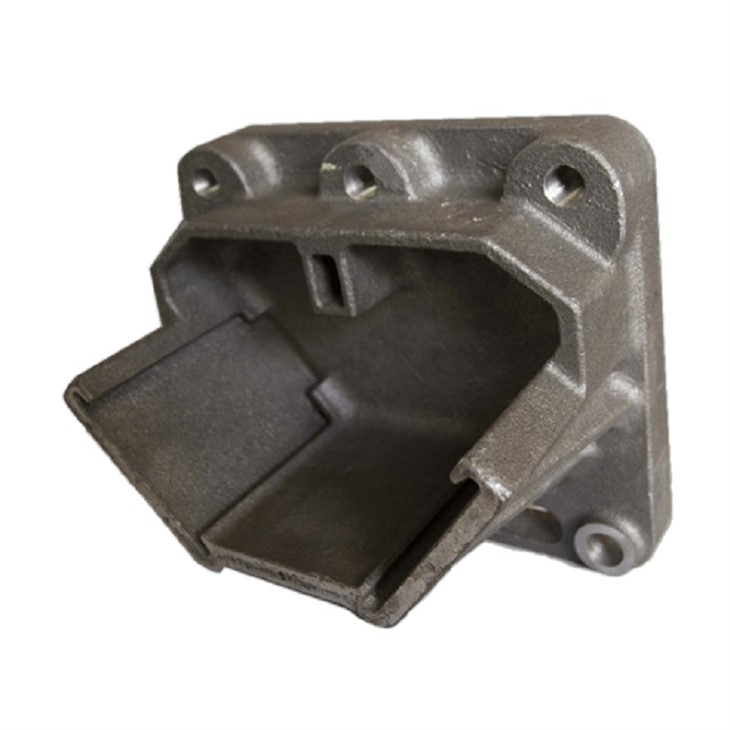
Upper Thrust Rod Bracket
The upper thrust rod bracket plays a role in stabilizing the suspension and transferring forces. If the bracket is loose, damaged, or worn, it can cause a knocking noise. Loose bolts or a cracked bracket can lead to movement and impact between components, resulting in the distinctive knocking sound.
Swing Arm
The swing arm is another part of the suspension that connected to the axle and allows for vertical movement of the wheels. A worn or damaged swing arm can cause a knocking noise, especially when the vehicle is in motion or encountering uneven roads. Similar to the control arm, issues with the swing arm's bushings or joints can be the root cause.
Leaf Spring Seat
Leaf springs are still used in some vehicles, and their seats are responsible for holding the springs in place. If the leaf spring seat is damaged or loose, it can cause the leaf spring to move around more than it should. This extra movement can lead to a knocking or rattling noise as the springs shift and come into contact with other parts of the vehicle.
Engine Bracket
While not strictly a suspension component, a loose or damaged engine bracket can cause a knocking noise that may be mistaken for a suspension issue. The engine bracket holds the engine in place and absorbs vibrations. If it's worn or broken, the engine can move more than normal, creating a knocking sound that may seem to come from the suspension area.
Diagnosing the Problem
Diagnosing the source of a knocking noise accurately is crucial. It's not always easy to determine whether the control arm is the culprit or if it's another component. Here are some steps that can be taken:
Visual Inspection
A visual inspection is the first step. Check the control arm for any signs of damage, such as bent parts, leaking bushings, or loose bolts. Look at the ball joints for excessive play by trying to move the wheel back and forth and up and down while the vehicle is safely lifted.
Test Drive
Take the vehicle for a test drive and pay close attention to when the knocking noise occurs. Note if it happens when going over bumps, making turns, or during acceleration and deceleration. This information can help narrow down the possible causes.

Professional Help
If you're unsure about the source of the noise, it's advisable to take the vehicle to a professional mechanic. They have the tools and expertise to perform a more in - depth inspection, including using diagnostic equipment to pinpoint the problem accurately.
Replacing the Control Arm
If it's determined that a faulty control arm is the cause of the knocking noise, replacement is often the best solution. At our company, we offer high - quality control arms that are designed to meet or exceed OEM standards.
When replacing a control arm, it's important to choose a product that is compatible with your vehicle's make and model. Our control arms are carefully engineered to ensure proper fitment and performance. Additionally, we provide detailed installation instructions to make the replacement process as smooth as possible.
Conclusion
In conclusion, a control arm can definitely cause a knocking noise in a vehicle. Worn bushings, broken or worn ball joints, and bent control arms are common causes of this issue. However, it's important to consider other suspension components and conduct a thorough diagnosis before replacing the control arm.
If you suspect that your control arm is the source of the knocking noise in your vehicle or if you're in the market for a replacement control arm, we're here to help. Our team of experts can provide you with the right product and offer guidance on installation. We also supply other automotive castings such as Upper Thrust Rod Bracket, Swing Arm, Leaf Spring Seat, and Engine Bracket.
Don't let a knocking noise in your vehicle go unresolved. Contact us to discuss your procurement needs and get the high - quality automotive castings you deserve.
References
- "Automotive Suspension and Steering Systems" by William Crouse
- Various technical bulletins from leading automotive manufacturers


