

Construction machinery castings are key foundational components that make up heavy equipment such as excavators, loaders, bulldozers, rollers, and concrete mixers. Their functions are directly related to the structural strength, operational stability, durability, and work precision of the complete machine.
Core Functions
Provide Structural Support and Positioning
Castings serve as the foundation for main structures such as the body, frame, boom, and track frame, bearing the load of the entire machine and ensuring the positional accuracy of moving parts, reducing vibration and deformation during operation.
Bear High Stress and Impact Loads
Construction machinery often operates in harsh conditions, so castings need sufficient strength, rigidity, and wear resistance to withstand complex loads such as cutting forces, inertial forces, and soil reaction forces.
Achieve Integrated Manufacturing of Complex Structures
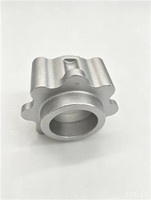
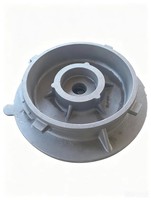
Casting processes can produce parts with complex cavities or irregular shapes (such as hydraulic valve bodies and gearbox housings), which are difficult to achieve with forging or welding, facilitating the integration of pipelines, cooling channels, and other functional structures.
Enhance Equipment Durability and Reliability
By selecting high-toughness cast iron (such as ductile iron) or corrosion-resistant aluminum alloys, castings can maintain long-term stable operation in environments involving wear, corrosion, and alternating high and low temperatures.
Optimize Overall Machine Weight and Cost
Casting processes offer high material utilization and minimal machining allowance. Structural design can achieve lightweight construction (such as using aluminum alloy castings), which ensures performance while reducing manufacturing costs and fuel consumption.
Aluminum Castings: The "Lightweight Expert" in the Industrial Field
Functions Of Construction Machinery Castings
Feb 02, 2026



Send Inquiry
Latest News